Ductless Mini-Splits in Schenectady, NY: Are They Worth It? | Custom Seals HVAC/R
Are Ductless Mini-Splits Worth It? A Capital Region Homeowner's Guide
If you've got a room that's always too hot or too cold, an addition with no ductwork, or heating bills that keep climbing, you've probably heard someone suggest a ductless mini-split. But are they actually worth the investment, especially in a climate like the Capital Region's? Here's an honest, homeowner-friendly breakdown.
What Is a Ductless Mini-Split?
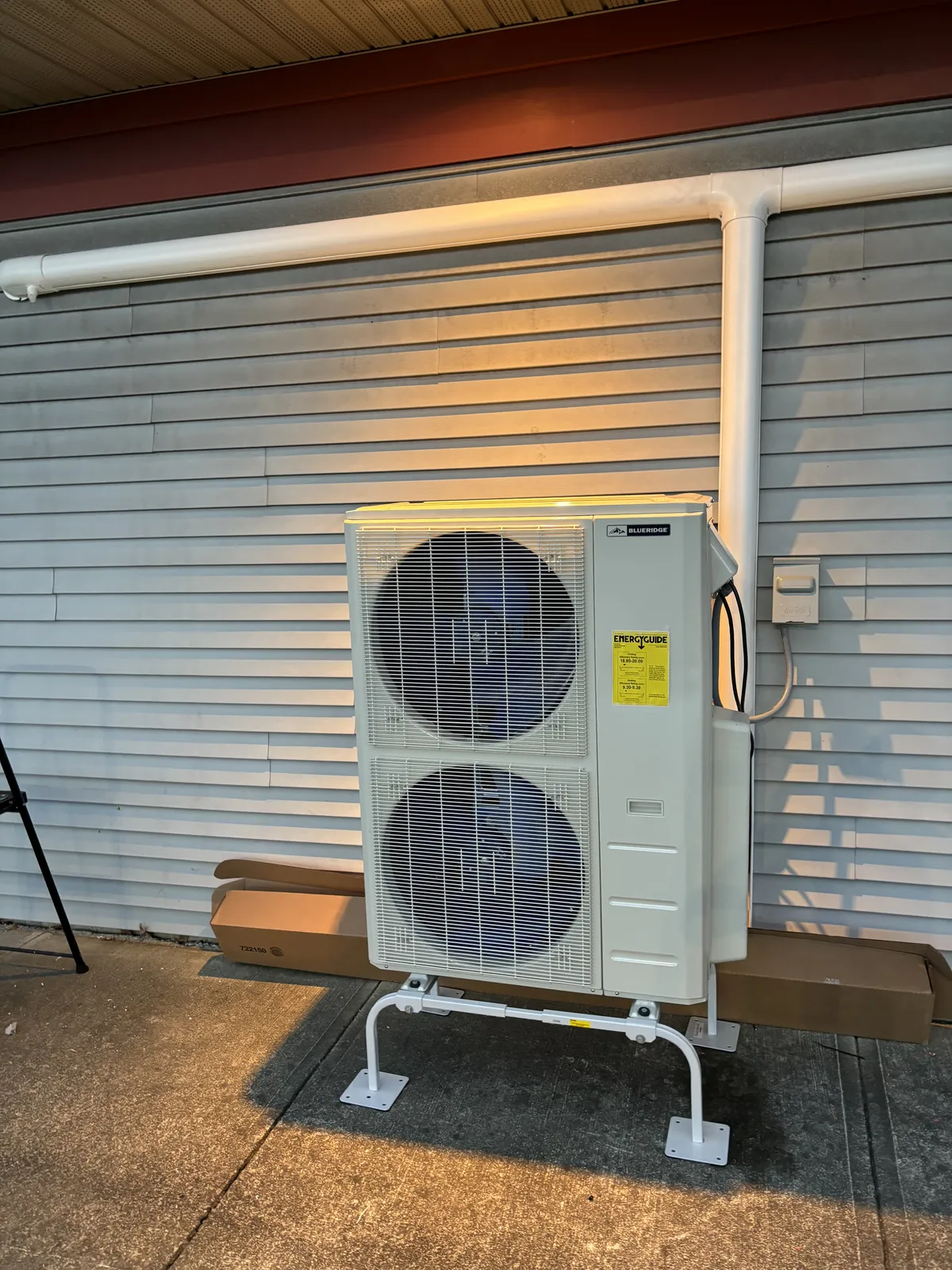
A ductless mini-split is a heating and cooling system that doesn't rely on ductwork. It has two main parts: an outdoor unit (the compressor) and one or more indoor units mounted on a wall or ceiling. They connect through a small hole in the wall, with no bulky ducts required. Each indoor unit heats and cools the space it's in, and because it works in both directions, one system handles summer cooling and winter heating.
How Ductless Systems Work in Cold Weather
The most common question we get in the Capital Region is whether a mini-split can actually keep up with our winters. It's a fair concern. The good news is that modern cold-climate mini-splits are built for exactly this, and today's units can pull heat from outdoor air even when temperatures drop well below freezing. They're far more capable than the older heat pumps people remember. For very severe cold snaps, many homeowners pair a mini-split with their existing furnace or boiler, using the efficient mini-split most of the time and the furnace as backup on the coldest nights.
The Biggest Advantages
Here's where ductless systems really shine:
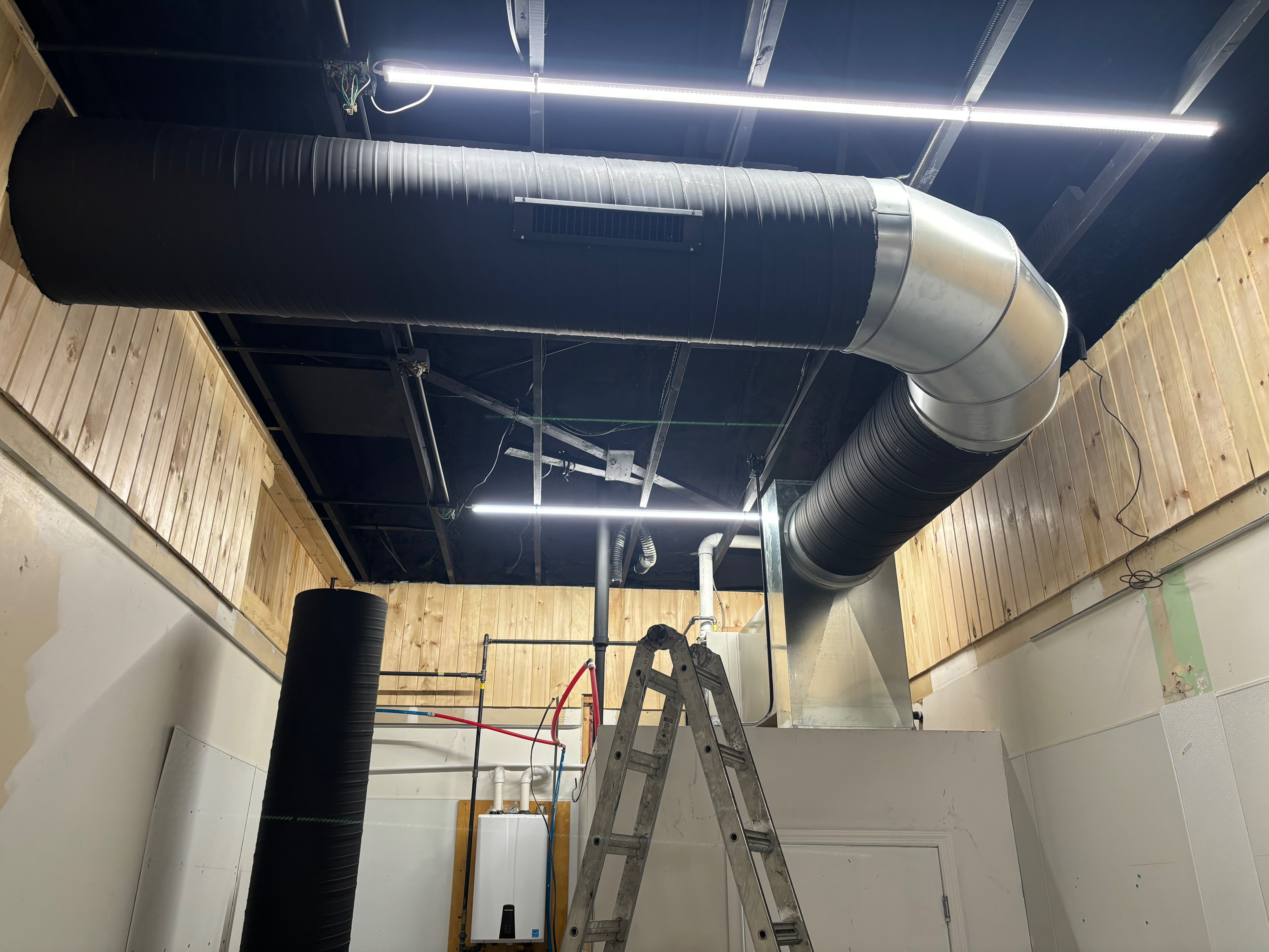
No ductwork needed. This makes them ideal for older homes, additions, finished basements, garages, and any space where running ducts would be expensive or impossible.
Room-by-room control. Each indoor unit has its own thermostat, so you can heat or cool only the rooms you're using instead of the whole house. That's a real comfort and savings advantage.
High efficiency. Because there are no ducts, you avoid the energy lost through duct leaks, which can be significant in older homes. Mini-splits convert a high share of their energy directly into heating and cooling.
Quiet operation. The noisy part lives outside, so indoor units run quietly.
Year-round comfort. One system replaces both a space heater in winter and a window AC unit in summer.
The Trade-Offs to Know
Ductless systems aren't the right answer for every situation, and it's only fair to mention the downsides. The upfront cost can be higher than a window unit or space heater, though it pays back over time in energy savings. The indoor unit is visible on the wall, which some homeowners don't love aesthetically. And for whole-home coverage in a large house, you may need several indoor units, which adds to the cost. Proper sizing and installation matter a lot, an undersized or poorly placed system won't perform the way it should.
When a Ductless Mini-Split Makes the Most Sense
Based on the homes we work in across the Capital Region, a mini-split is usually a great fit when you're:
Heating or cooling an addition, sunroom, or converted space with no ductwork. Dealing with one or two rooms that are always uncomfortable. Looking to supplement an existing system and lower energy bills. Replacing aging window units and space heaters. Finishing a basement, attic, or garage.
If you're building a whole-home solution from scratch and already have good ductwork, a traditional furnace-and-AC setup may still make more sense. That's exactly the kind of thing worth talking through with a professional before you spend anything.
Get an Honest Recommendation
Every home is different, and the right answer depends on your layout, your existing system, and your goals. Custom Seals HVAC/R installs and services ductless mini-splits across Schenectady, Niskayuna, Clifton Park, Albany, and the greater Capital Region. We'll tell you honestly whether a ductless system is the right call for your space or whether another option would serve you better. EPA 608 certified, licensed, and insured, with quality work at a fair price.
Frequently Asked Questions
Do ductless mini-splits work in cold Capital Region winters?
Yes. Modern cold-climate mini-splits are designed to produce heat in below-freezing temperatures. Many homeowners pair one with an existing furnace or boiler for backup during extreme cold.
How many indoor units do I need?
It depends on how many rooms or zones you want to control. A single unit can handle one room or an open space, while a multi-zone system uses several indoor units tied to one outdoor unit. A quick in-home assessment is the best way to size it correctly.
Are ductless mini-splits expensive to run?
No, they're among the more efficient options available. Because they avoid duct losses and let you heat or cool only the rooms you're using, many homeowners see lower energy bills compared to older systems and window units.
Can a mini-split both heat and cool?
Yes. A single ductless system provides air conditioning in summer and heating in winter, replacing the need for separate equipment.
A ductless mini-split can be a game-changer for the right home, solving comfort problems that ducted systems can't touch. If you've got a room that never feels right or a space with no ductwork, it's worth finding out whether ductless is the answer. Reach out to Custom Seals HVAC/R for an honest recommendation.
